
 How To Object
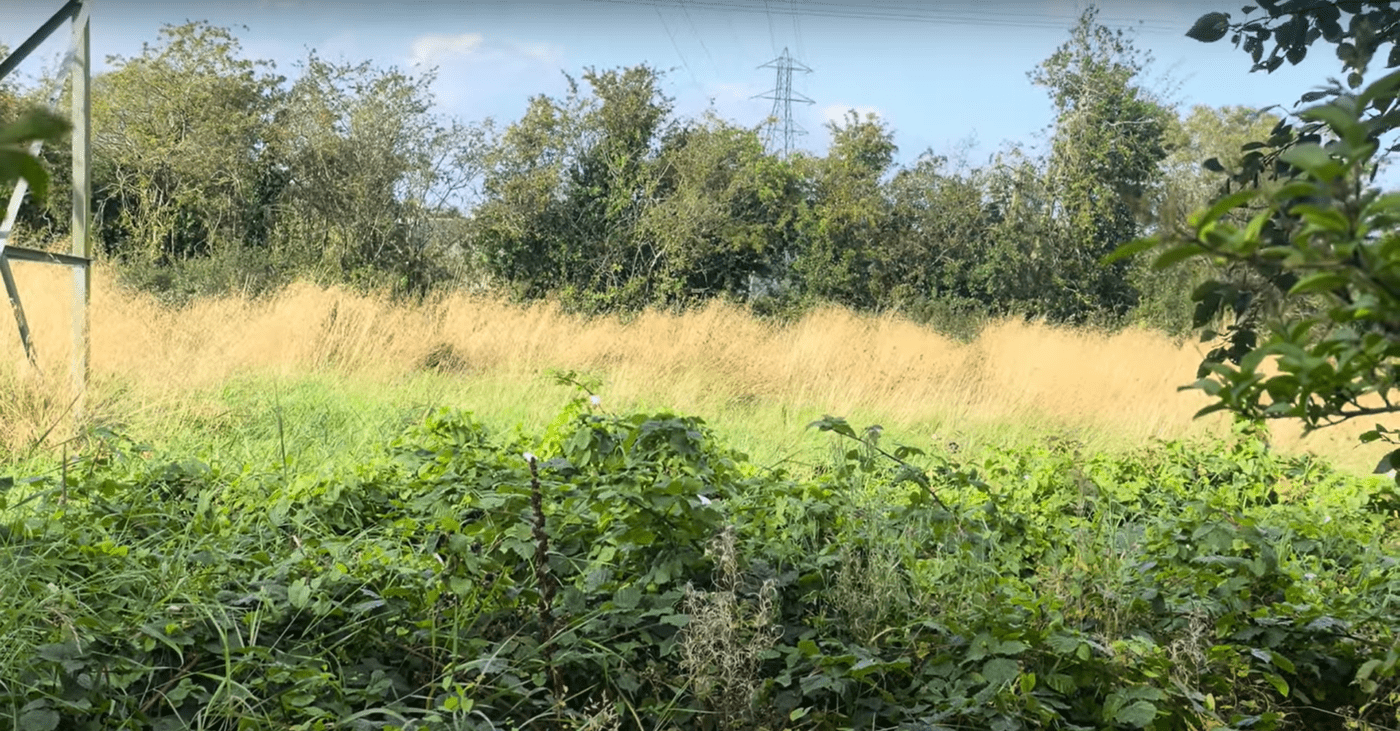
The hedges in Drumbeg and at the proposed Quarterlands development have been here a long time. They appear on the Ordnance Survey map of 1858, when Drumbeg was fields, lanes and farms and nobody had thought to call a housing development ‘a scheme’. For more than 165 years they have grown, flowered, been cut back, grown again and quietly got on with the business of being hedges.
But a hedge is not simply a row of thorn. Below it is root and soil, fungi and invertebrates. Within it are nesting places, shelter and food. Along it travel bats, birds, hedgehogs and countless smaller creatures we rarely notice. What looks from a distance like a green line is, close up, an entire biodiverse community.
The historic hedgerows of this site have value in their own right. They should be allowed to grow, flower, fruit, seed, age and regenerate. They should remain connected to the landscape around them, because a hedge’s value lies partly in where it leads: another hedge, an old tree, a field, a stream, somewhere to feed, somewhere to hide. To the diverse wildlife that has learned this landscape over generations, the hedge is home, shelter, larder and road.
What lies beneath matters too. The roots, soil, fungi and microorganisms are not incidental to the hedge. They are part of it. Protecting a hedge should mean protecting this whole living system, not leaving isolated scraps standing between roads, gardens and driveways and calling the job done.
An old hedge can be removed in an afternoon. Replacing it takes rather longer.
A newly planted whip may be called mitigation on a drawing, but it does not arrive carrying 165 years of soil, roots, fungi, nesting places, scent trails and accumulated relationships. Those things cannot be ordered from a nursery. They take time. Some take many generations.
This is why we believe that, when change or development is proposed, the first question should not be what can be planted afterwards, but what can be kept. Avoiding destruction should come before compensating for it. Replacement is not continuity.
Every generation has a tendency to imagine the landscape belongs to it. It doesn’t. We inherited these hedges from people who planted, laid and tended them without knowing our names. If we look after them, they will pass to people whose names we will never know. That seems a reasonable arrangement.
Those making decisions about development in the Lagan Valley Regional Park should therefore consider not only what they are permitted to remove, but what we have a responsibility to leave behind. The fact that something can be felled, grubbed out or moved does not mean that its value can be recreated somewhere else.
Quarterlands Group will continue to document these hedgerows and the wildlife that depends upon them, to support their sympathetic management and restoration, and to challenge unnecessary destruction and fragmentation. We will work with our neighbours, landowners, public bodies and environmental organisations to keep the old ecological connections of this landscape intact.
Because this is not simply about saving a hedge. It is about recognising what a rare thing a hedge becomes when it has been allowed to remain in one place for more than a century and a half.
It began as a boundary drawn by people. Given time and care nature made something much more complicated of it. Something alive. Something inherited. And something worth passing on.
Quarterlands Group
Drumbeg, County Down
Northern Ireland