Sometimes it takes someone else’s eyes to remind us just how extraordinary the place we call home really is.
The Lagan Valley Regional Park Area of Outstanding Natural Beauty (AONB) is so much more than a beautiful landscape. It is a living, breathing network of habitats, home to an astonishing variety of wildlife, much of it going about its business quietly and unnoticed, just beyond our windows, beneath our feet and in the trees above us.
Over the years, members and supporters of Quarterlands Group have shared wonderful photographs of the wildlife they encounter throughout the Lagan Valley. From birds and mammals to butterflies, moths, beetles and other insects, these images have helped us build a growing visual record of the natural world we are working to protect.
Recently, Antonia, who lives at Huntley, sent us a particularly lovely collection of photographs, accompanied by her observations of the wildlife she has been watching since returning from Scotland in 2015.
Her words are a wonderful reminder of just how much there is to appreciate, how much we stand to lose, and why protecting this landscape matters.
A World Revealed by Sitting Still
Antonia has spent years observing the wildlife around her home, often taking her ‘office’ outside so that she can sit quietly and watch without disturbing anything.
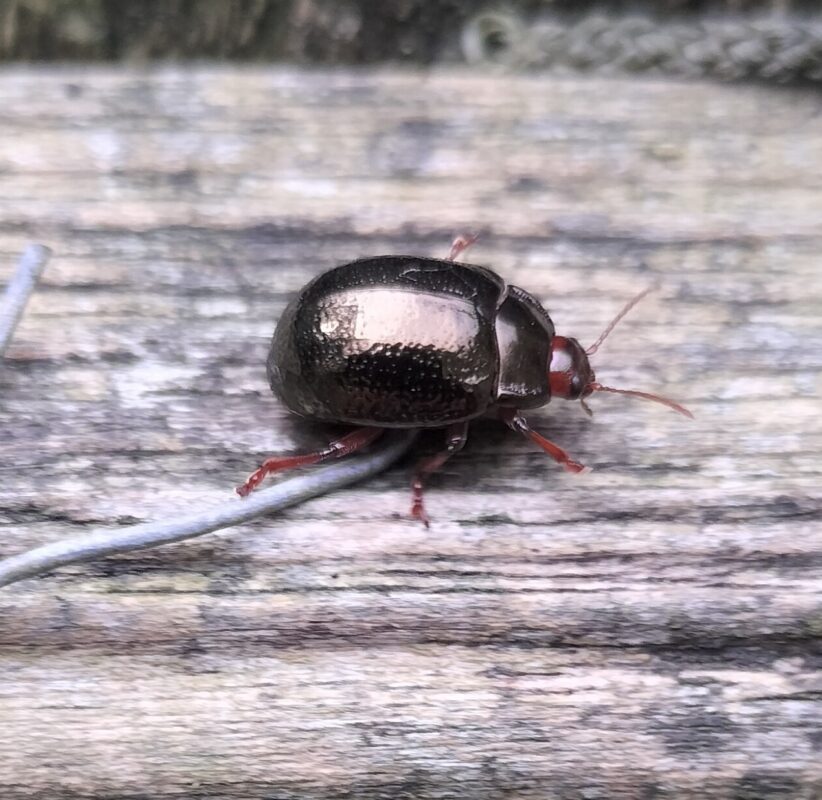
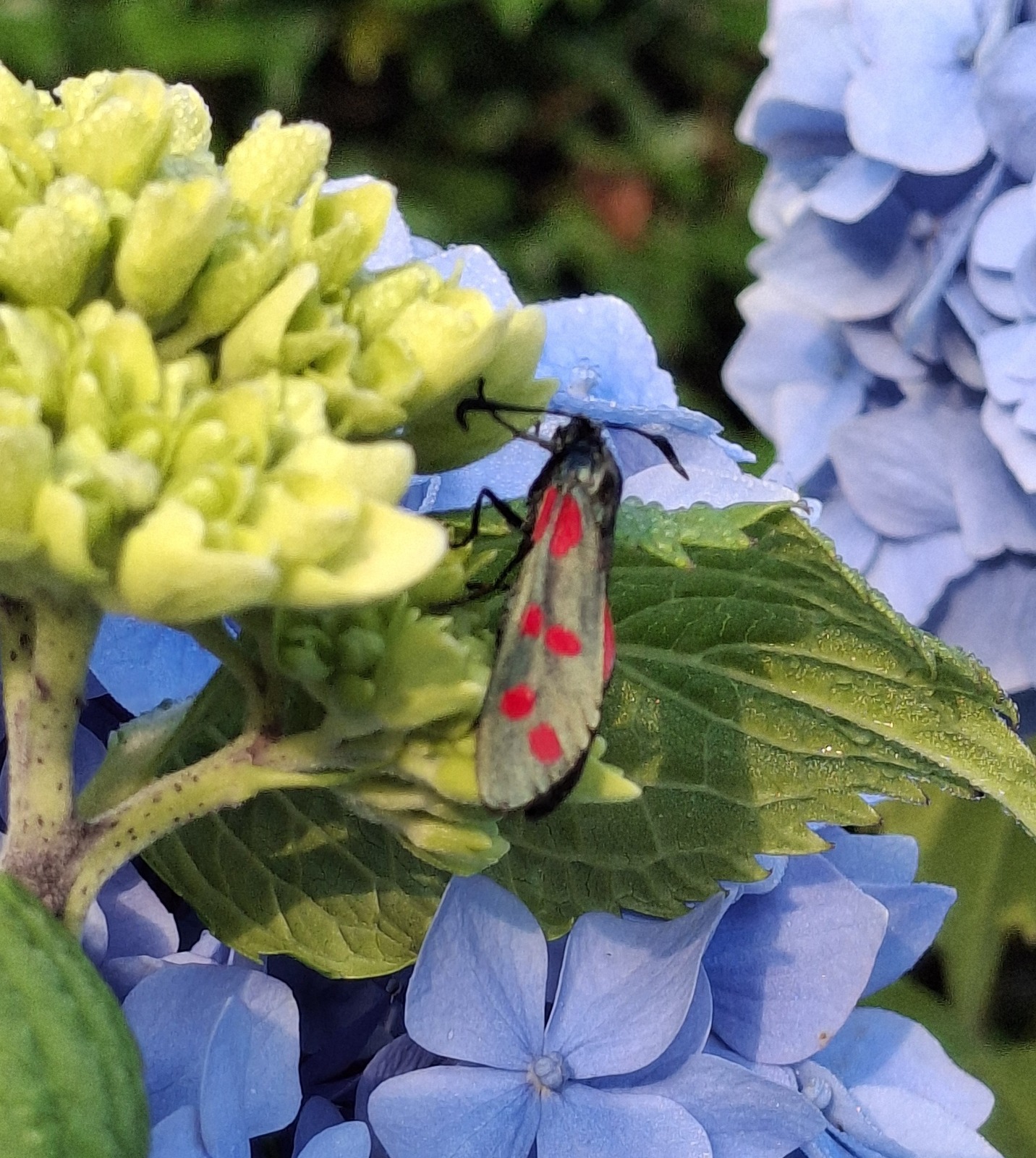
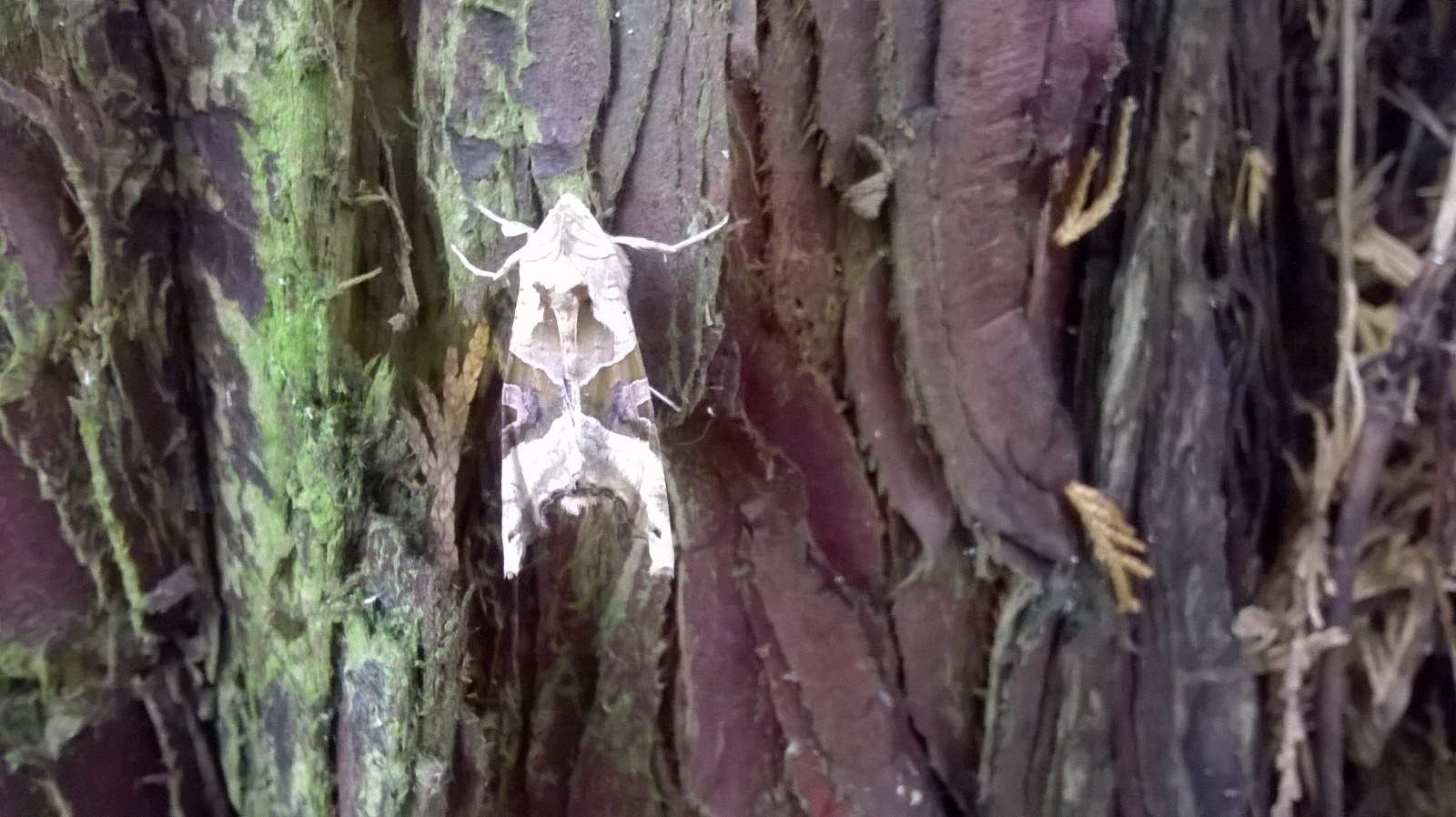
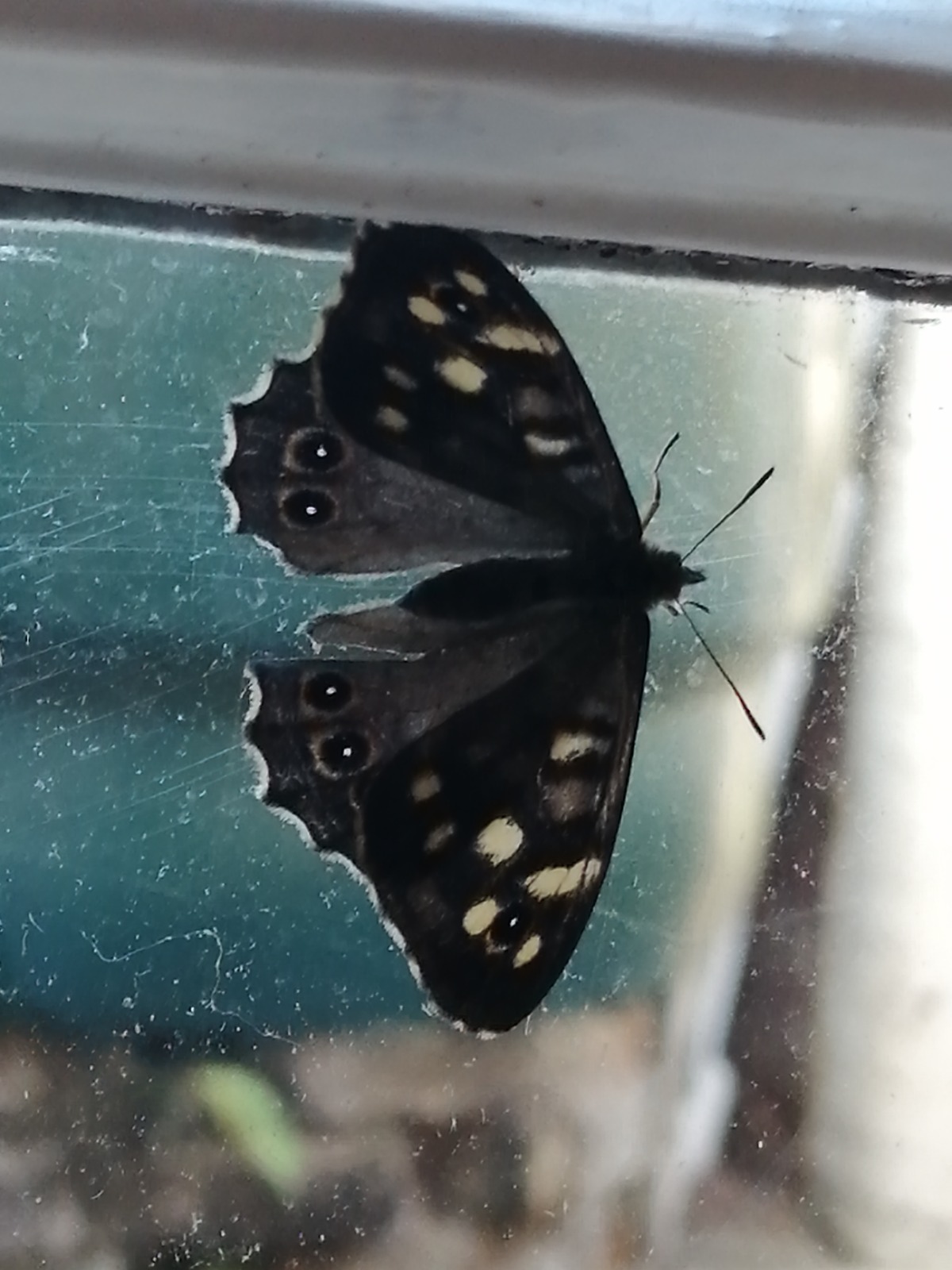
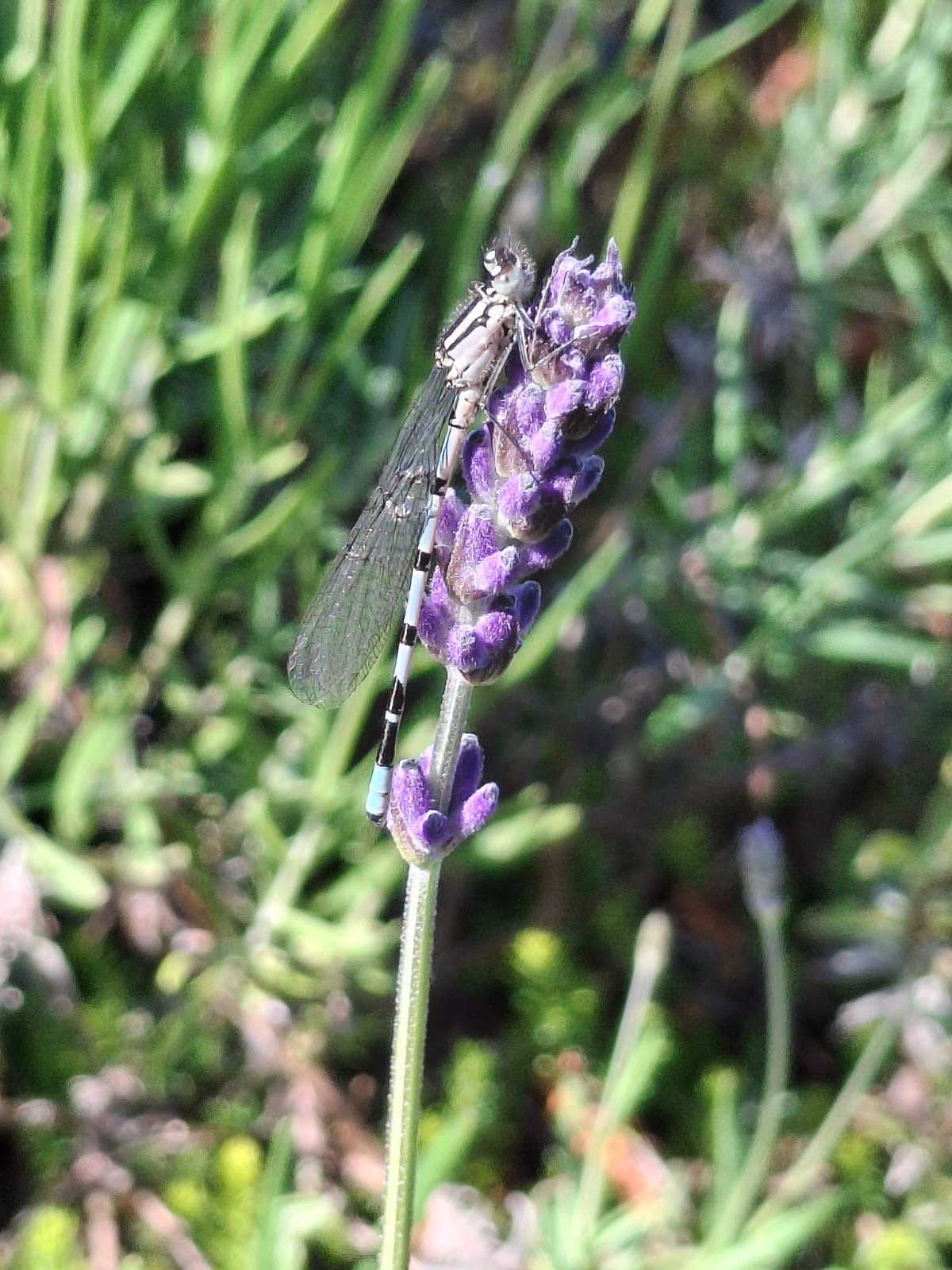
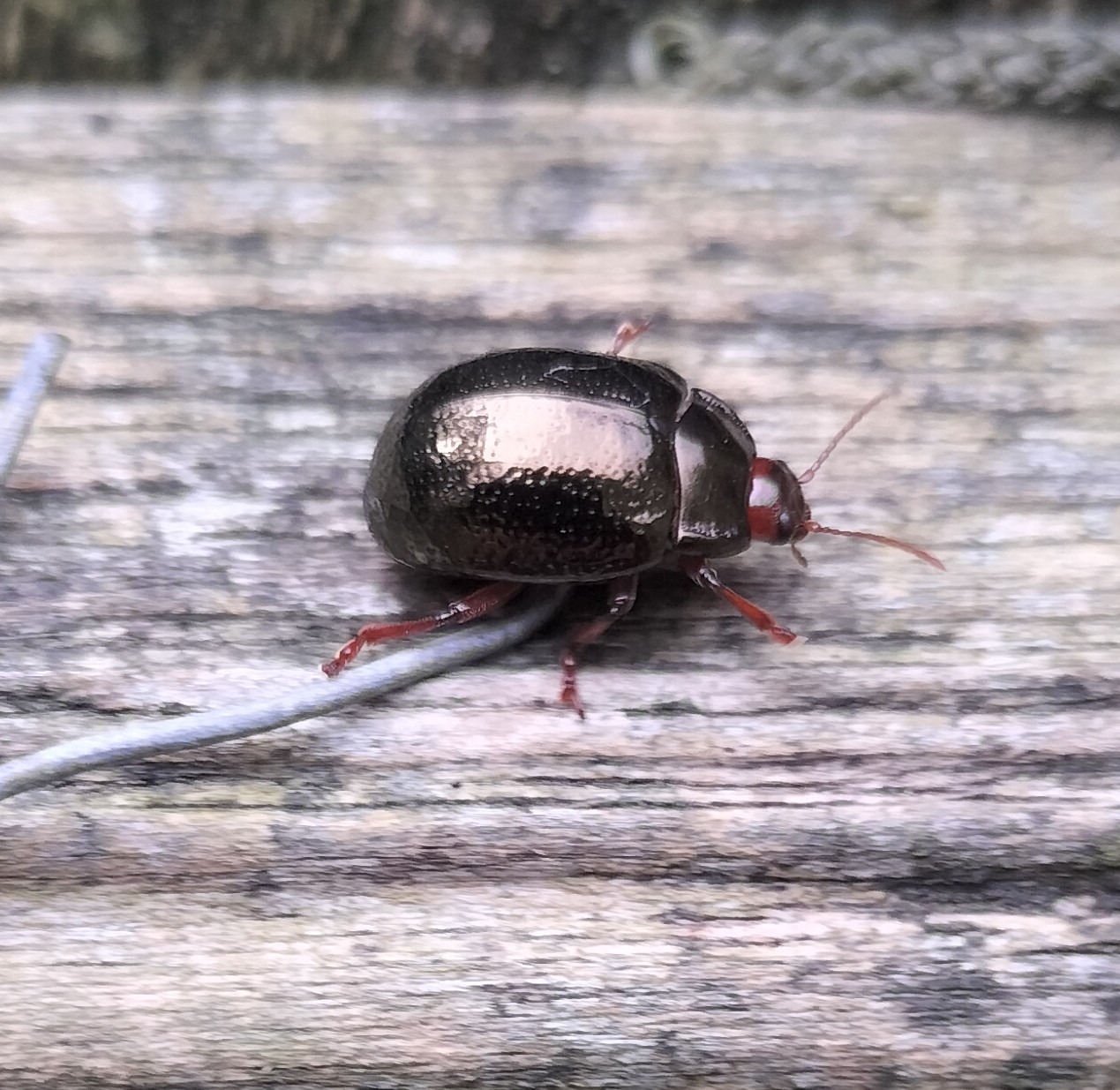
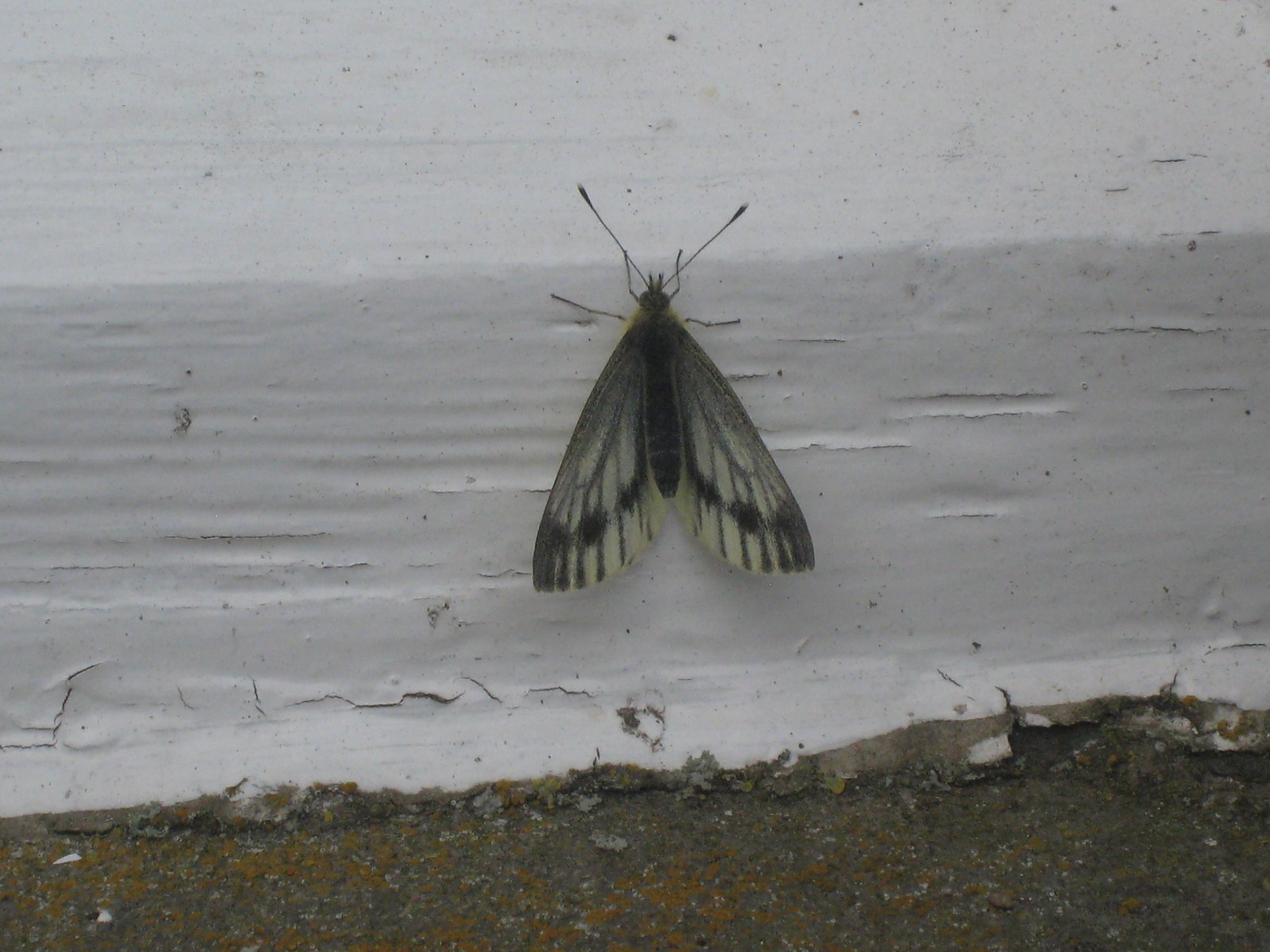
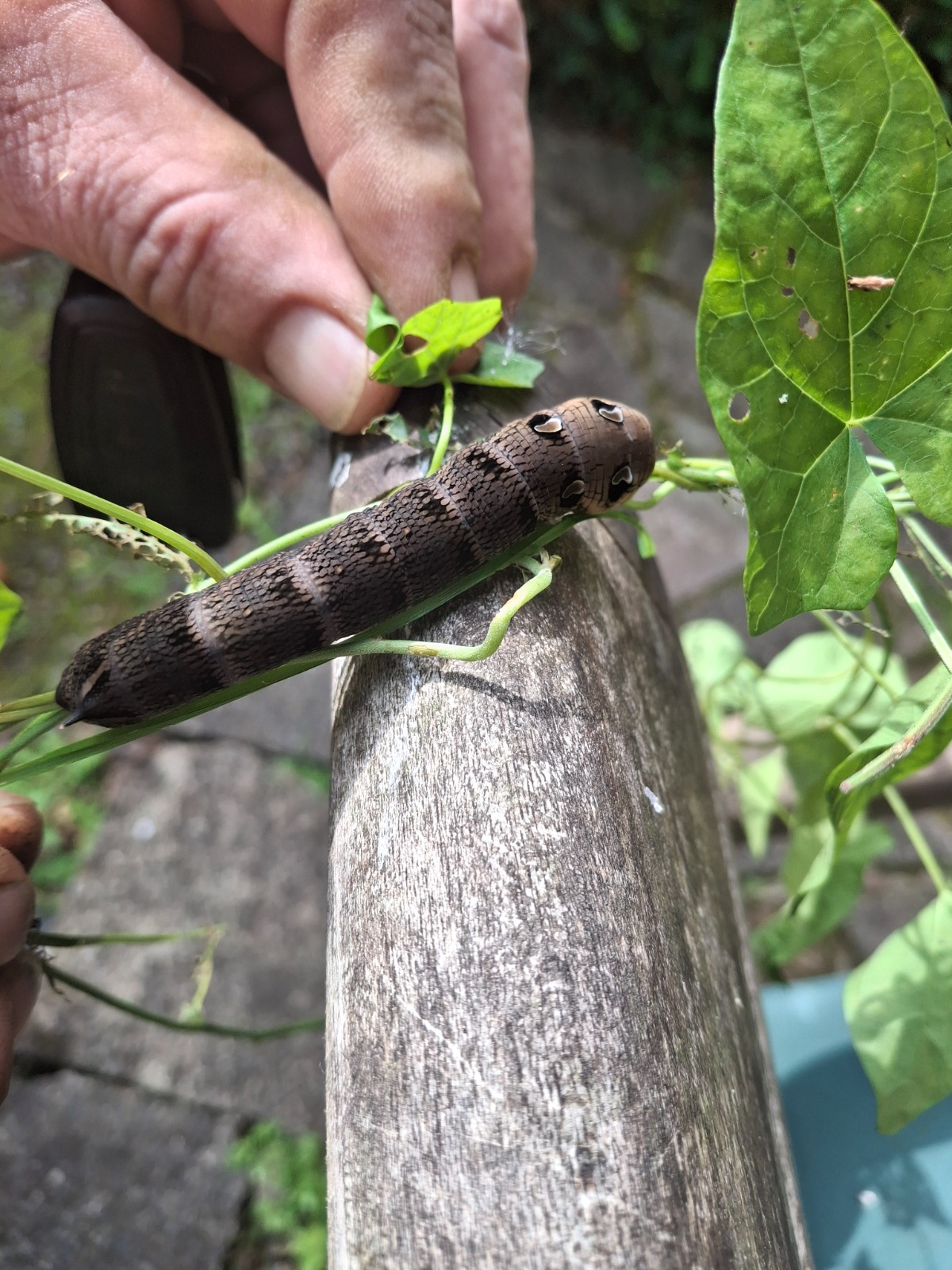
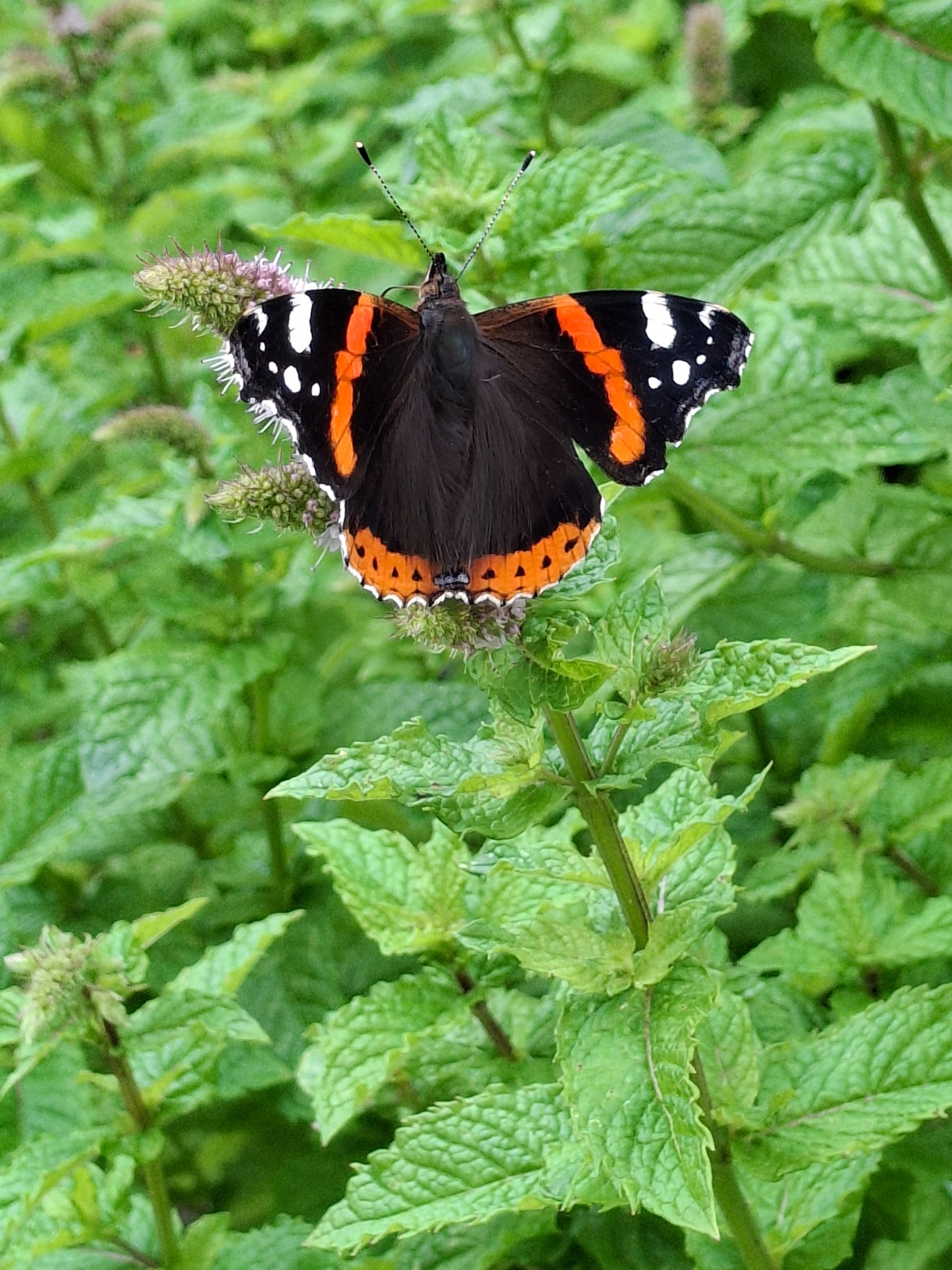
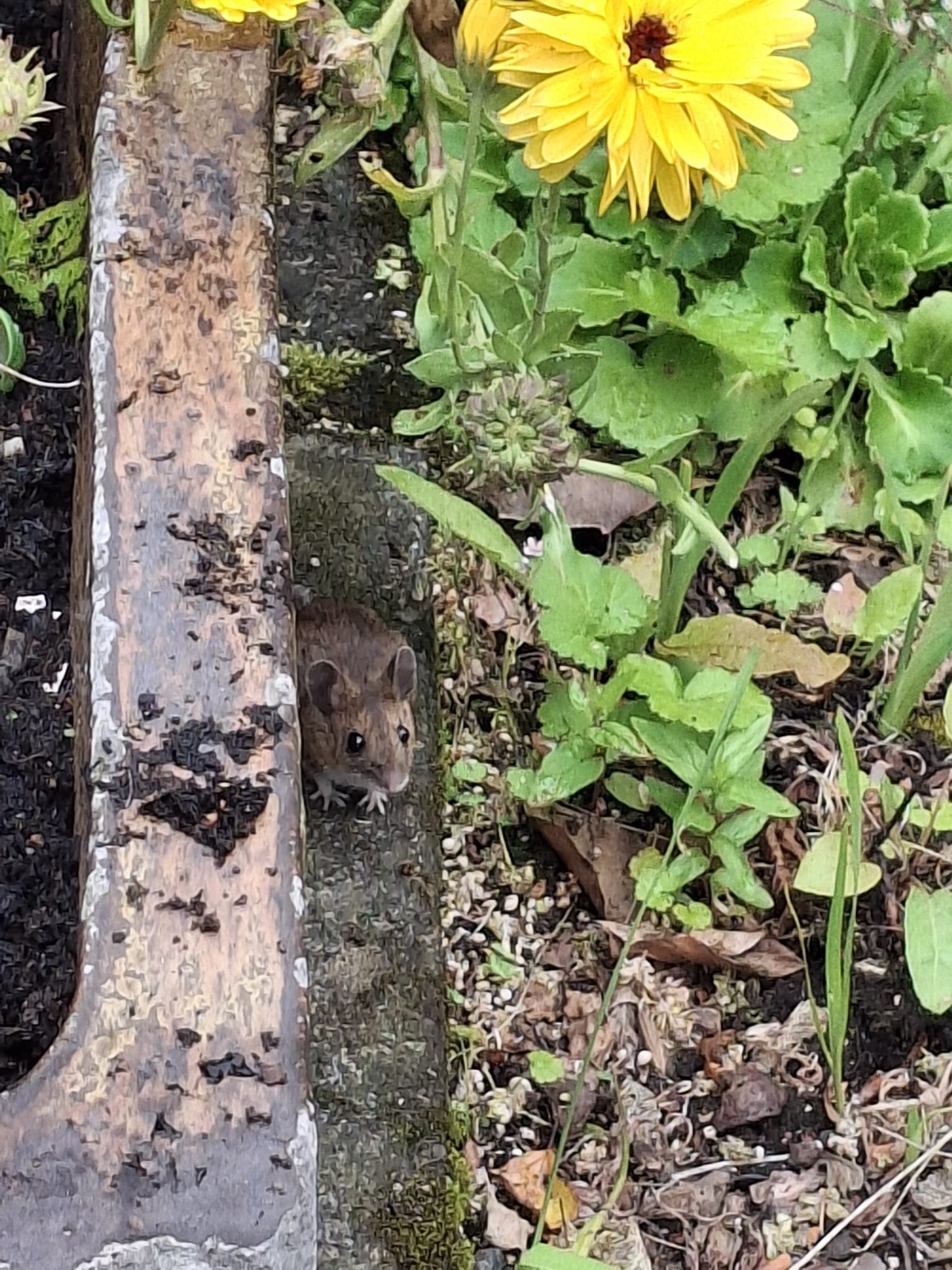
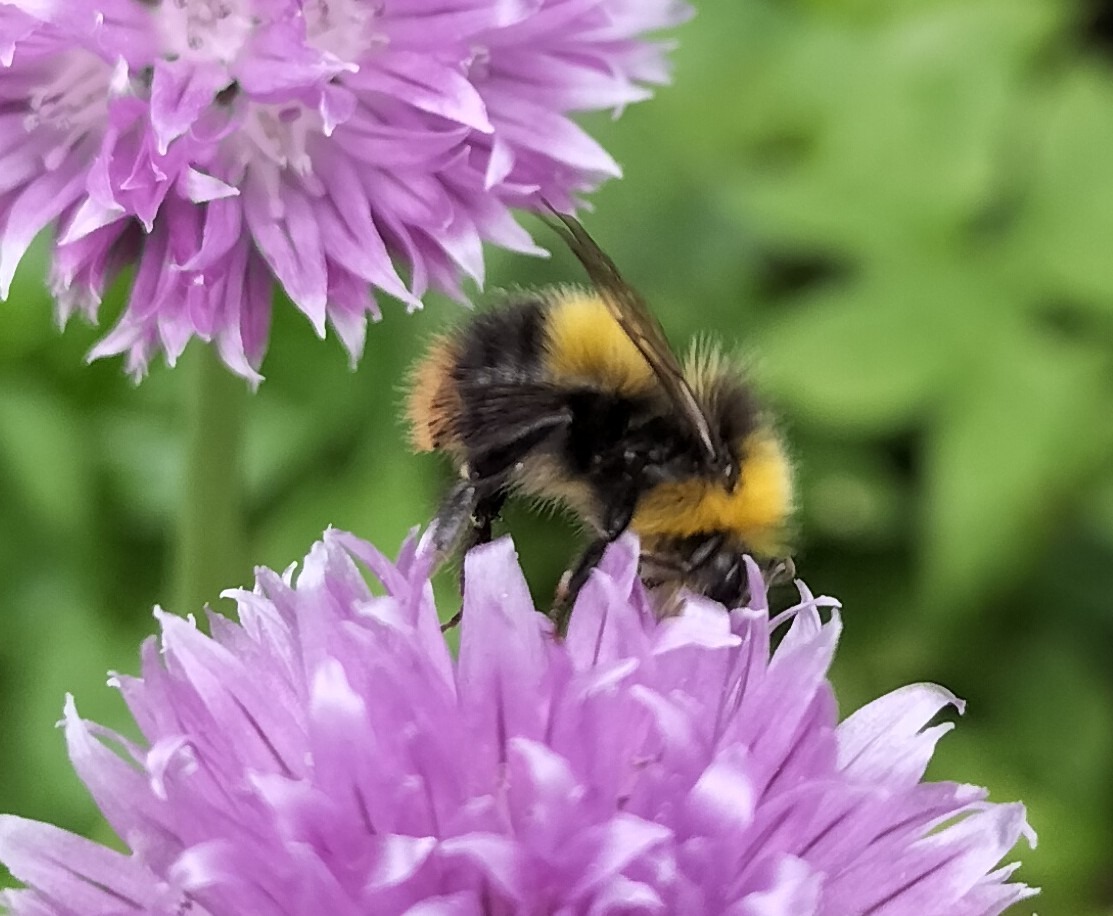
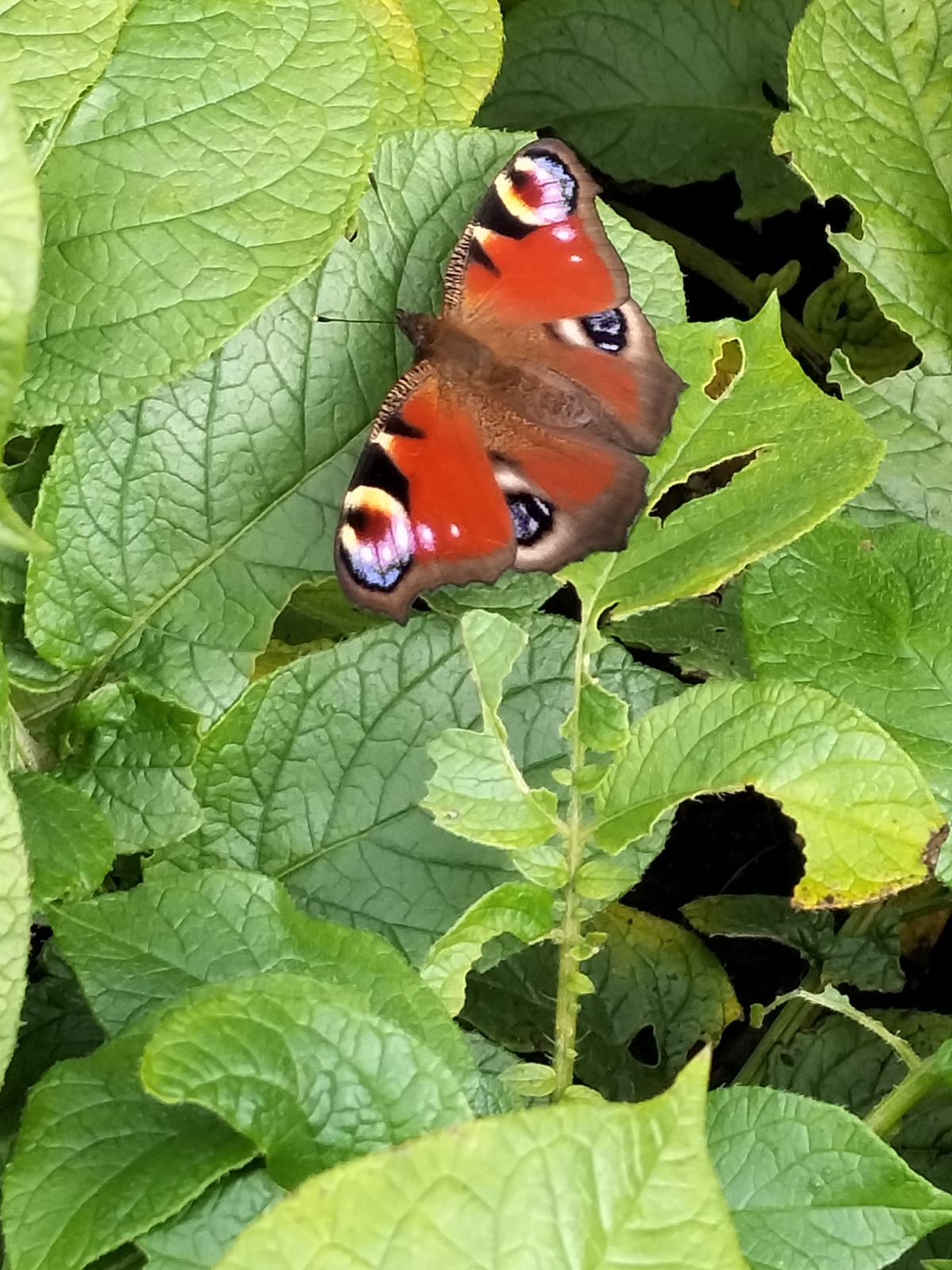
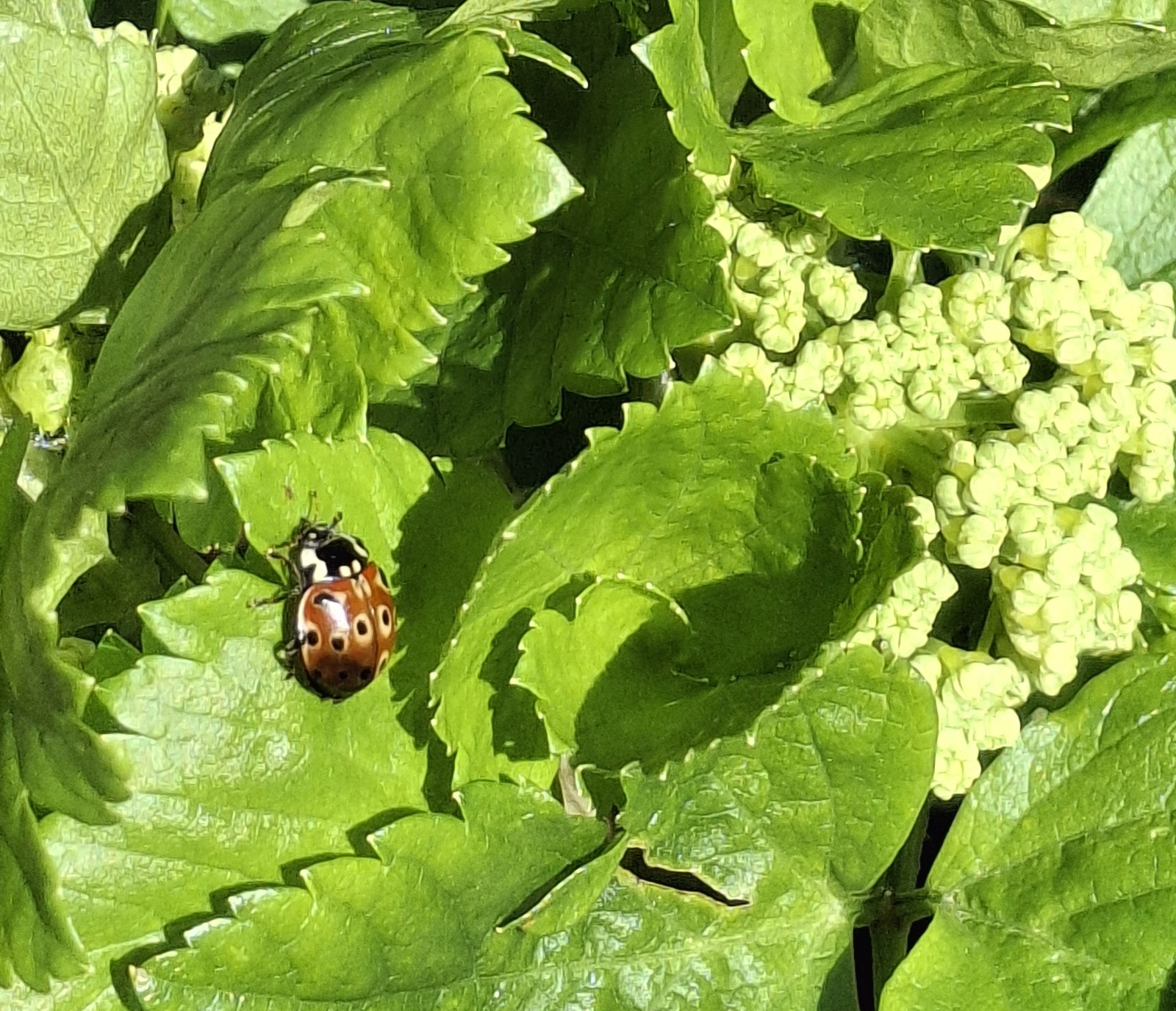
Her photographs capture an extraordinary variety of creatures: shield beetles, an eyed ladybird, a six-spot burnet moth, an angel shades moth, a common blue damselfly, an elephant hawk-moth caterpillar, red admiral and peacock butterflies, an orange-tip butterfly, a bumblebee, a field mouse and great spotted woodpeckers. There are also a few intriguing insects still waiting to be identified.
click to expand images and see the details
These are just some of the creatures sharing our landscape.
What makes Antonia’s observations particularly valuable is that they tell us something photographs alone cannot. They reveal the relationships between wildlife and the places it depends upon.
She writes:
We’re also lucky enough to have a large number of old, well established trees with moss, nooks and crannies and these support a huge variety things, particularly birds: tree creepers hopping up the trunks probing for insects, wrens gathering moss for their nests and a family of great tits has had a nest in a hole in a Bramley trunk for as long as I’ve been home.
There is something deeply reassuring about that family of great tits returning to the same old apple tree year after year. The tree is not simply part of the scenery. It is a home, a nursery and a source of food.
And it is precisely these long-established relationships that cannot simply be recreated by planting a few replacement trees.
The Importance of Leaving Nature Alone
One of the most striking things about Antonia’s account is how much wildlife thrives because parts of the garden have been allowed to remain relatively undisturbed.
She describes:
There’s a long, tall hedge (mixture of beech, privet and a lot of ivy) which is home to countless nesting birds each year – mainly robins and blackbirds while, higher up in the birch trees, there are thrush nests.
And elsewhere:
Plenty of foraging choice all year for the honey bees and other insects with dandelions from the early spring right through to ivy flowers in the autumn.
She also mentions the importance of untouched areas, where plants such as Alexanders and cow parsley provide hollow stems in which insects can overwinter, and heaps of unraked leaves offer shelter and potential nesting places for bumblebees.
These details matter enormously.
What we might casually dismiss as an untidy corner, an overgrown hedge, a decaying tree or a patch of weeds may be an essential part of another creature’s world.
Old trees provide nesting cavities, bark crevices and feeding opportunities. Ivy offers flowers late in the year when other sources of nectar are scarce. Fallen leaves shelter invertebrates. Native and long-established vegetation supports complex food webs, which in turn sustain birds, mammals and other wildlife.
Nature does not require everything to be neat and orderly. Quite often, it needs precisely the opposite.
As Antonia puts it:
Not a fan at all of gardens that are manicured/tidied to within an inch of their lives, but each to their own. I try to do my bit!
And what a difference that approach can make.
What Changes Over Time?
Antonia’s observations also remind us of the importance of local knowledge gathered over many years.
She recalls seeing red squirrels as a child, although she cannot remember when they disappeared. There was once a badger sett in an old brick drain, and badgers were regularly seen in the area. Since 2015, however, sightings have become much less frequent.
Other species appear to have increased.
There has been a dramatic increase in the number of grey squirrels, hooded crows and magpies, even in the last 5 or 6 years and I don’t really understand why.
She also remembers the excitement of seeing four great spotted woodpeckers together in 2016, only about fifteen feet from where she was sitting. At that time, she recalls, they were far more wary than they seem today.
These observations do not, by themselves, tell us why populations change. Wildlife numbers are influenced by many factors, including habitat, food availability, disease, competition and wider environmental conditions.
But they raise important questions, and they demonstrate the value of people who know a place intimately and notice how it changes.
Once a species disappears from an area, we may not even realise what has been lost unless someone remembers it was there.
A Landscape Is More Than the Sum of Its Parts
This is at the heart of what Quarterlands Group has been trying to communicate since our campaign began.
The Lagan Valley is not simply a collection of individual fields, gardens, hedgerows, woodland and riverbanks. It is a connected landscape.
Wildlife does not recognise property boundaries or planning application red lines. Birds move between trees and hedgerows. Pollinators travel between gardens, meadows and woodland edges. Mammals depend on routes through the landscape to find food, shelter and mates.
A single field may appear unremarkable to someone looking at it only as a potential development site. Yet it may form part of a feeding ground, a wildlife corridor or a network of habitats that has developed over generations.
And when land is lost, the consequences extend beyond the boundaries of the development itself.
Each removal of an established hedge, loss of mature trees, fragmentation of a field or disturbance of a quiet habitat can place additional pressure on the wildlife that remains.
The danger is not always one dramatic act of destruction. It is the gradual erosion of a landscape, parcel by parcel, until the wildlife that once moved freely through it is confined to smaller and increasingly isolated pockets.
We cannot continue to treat each piece of land as though it exists independently of everything around it.
Nor should we assume that newly planted landscaping can compensate for the loss of habitats that have taken decades, sometimes centuries, to develop.
An Area of Outstanding Natural Beauty, for Good Reason
The Lagan Valley’s designation as an Area of Outstanding Natural Beauty recognises the special qualities of this landscape.
Its value lies not only in its scenery but also in its woodland, river corridors, farmland, hedgerows, wildlife habitats and the relationship between them.
Yet designation alone does not guarantee protection.
The pressures of development, habitat fragmentation, pollution and the cumulative loss of green space make it increasingly important that we understand what is here before it is damaged or lost.
Antonia’s photographs and observations are a beautiful illustration of why that matters.
They are not a formal ecological survey, nor do they need to be. They are a record of sustained attention, curiosity and care, and a reminder that the natural world is not an abstract environmental issue. It is all around us, every day.
Look Closely. Appreciate. Protect.
We are enormously grateful to Antonia for sharing her photographs, memories and observations, and to the many other Quarterlands members and supporters who have contributed wildlife photographs over the years.
Across this website, you can find images of the remarkable creatures that inhabit the Lagan Valley, often photographed in the gardens, fields, woods and waterways we know so well.
Together, they tell a story of a landscape that is rich in life, far more complex than it might first appear, and deserving of far greater care than it sometimes receives.
We hope these photographs encourage everyone to look a little more closely. To notice the insects visiting the ivy, the birds investigating an old tree, the butterflies among the wildflowers, or the movement in a hedge that might otherwise go unnoticed.
And perhaps to leave a few more corners undisturbed. Because we cannot protect what we do not recognise, and we are unlikely to fight for what we have never learned to appreciate. Antonia has reminded us how much we have to be grateful for here in the Lagan Valley. It is our responsibility to ensure that future generations have the same opportunity to discover it.
This is not empty land waiting to be used. It is already home to an extraordinary abundance of life.
And it is worth protecting.
With warm thanks to Antonia at@hiddenhuntleybelfastfor her photographs and observations, and to all our members and supporters who continue to document the wildlife of the Lagan Valley Regional Park AONB.

 How To Object